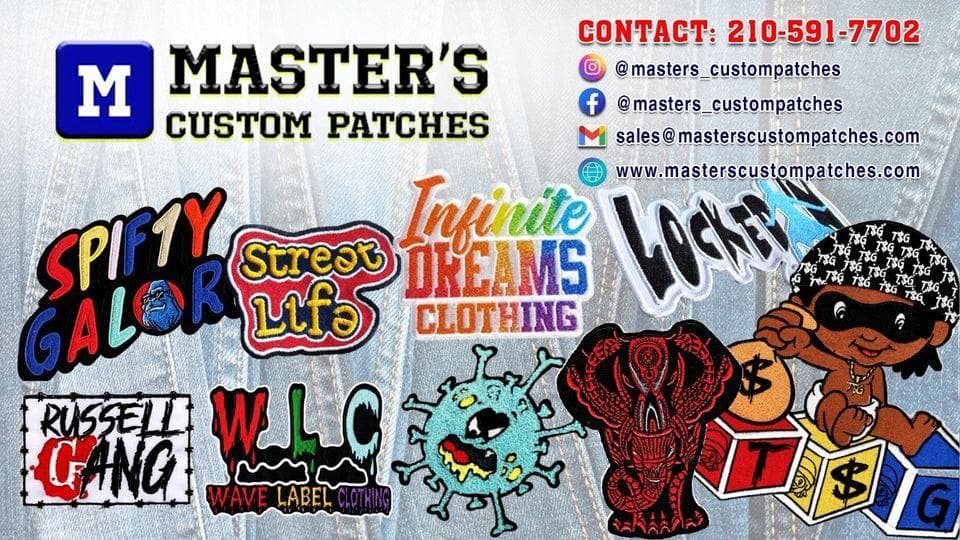
PVC vs Embroidered Patches: Which One Should You Choose? (Complete Comparison)
Patches have become an essential part of branding, uniforms, fashion, and outdoor gear. Whether you're creating custom patches for your clothing brand, sports team, security uniform, or personal style, the biggest question almost everyone asks is: PVC or embroidered patches? Which one is better?
Both patch types are popular, but they serve completely different purposes. Choosing the wrong one can affect the durability, look, and overall quality of your product. In this in-depth guide, we'll break down the difference between PVC and embroidered patches so you can confidently choose the best option for your needs.
What Are Embroidered Patches?
Embroidered patches are the classic, traditional patch style most people are familiar with. They are created using colorful thread stitched into a fabric backing. Because of their textured appearance and raised thread finish, embroidered patches have a premium handcrafted look. They are highly popular for denim jackets, fashion wear, military uniforms, scouting organizations, and retro-style branding.
The beauty of embroidered patches lies in their texture. The stitches give depth and movement to the design, and the final result looks professional, elegant, and timeless. If your design includes simple text, bold shapes, or traditional-style artwork, embroidery works extremely well.
What Are PVC Patches?
PVC patches are made from soft, flexible plastic (polyvinyl chloride). They are molded rather than stitched, which allows extremely precise details—even at very small sizes. These patches are waterproof, weatherproof, and resistant to fading, making them perfect for heavy-duty outdoor use.
PVC patches can include multiple layers, 3D effects, and smooth or textured finishes. They're commonly used by tactical teams, outdoor brands, sports equipment companies, and anyone who needs a durable patch that can survive rain, mud, heat, and regular wear and tear.
If you prefer a modern, bold, clean-looking patch with sharp edges and vibrant colors, PVC is the best choice.
PVC vs Embroidered Patches — Full Comparison
Now let's compare both patch types side by side so you can understand the strengths and limitations of each one.
1. Durability
When it comes to durability, PVC patches are the clear winner. Because they are made from rubber-like material, they don't fade, crack, or wear down even in harsh conditions. Embroidered patches, on the other hand, can fray over time, especially if they are constantly exposed to friction or frequent washing.

If your patch will be used on backpacks, jackets, outdoor gear, tactical uniforms, or anything that goes through rough conditions, PVC is the more reliable choice.
2. Weather Resistance
PVC patches are fully waterproof. Rain, sweat, snow, mud, and moisture do not affect them at all. Their color also stays intact under UV light, so they don't fade easily in sunlight.
Embroidered patches are not waterproof and can fade over time. They absorb moisture, which makes them less ideal for outdoor environments.
If you're creating patches for camping gear, military equipment, or sports uniforms, PVC offers far better performance.
3. Design Quality & Detail
Embroidered patches have a beautiful textured look, but they cannot capture extremely tiny details. Small text or thin lines may look unclear or blurred because the thread cannot be stitched too tightly.
PVC patches allow microscopic precision. You can include tiny elements, fine details, gradients, 3D layers, and even complex logos without losing clarity. If your logo includes small icons, thin lines, or intricate shapes, PVC is the better option.
4. Look & Style
Style is where embroidered patches shine. They offer a warm, traditional, vintage feel that many fashion brands prefer. Embroidery looks elegant, textured, and handmade.
PVC patches have a modern appearance. They look bold, smooth, sharp, and clean. This makes them perfect for sporty, tactical, and contemporary designs.
The choice depends on your brand's identity. If you want classic and premium, choose embroidery. If you want modern and powerful, choose PVC.
5. Flexibility & Comfort
Both patch types are comfortable to wear, but in different ways. Embroidered patches feel soft and natural because they are made with thread. PVC patches, although flexible, can feel slightly firmer depending on their thickness.
For clothing that requires softness, such as hoodies, t-shirts, and everyday wear, embroidered patches are ideal. For gear and outerwear, PVC's toughness is more suitable.
6. Attachment Methods
Both patch types can be attached using:
- Iron-on backing
- Velcro backing
- Sew-on
- Adhesive backing
However, PVC patches work exceptionally well with Velcro because the material holds its shape. Embroidered patches look more natural when sewn onto fabric.
7. Cost Difference
Generally, embroidered patches are more affordable than PVC patches. The stitching process is simpler and requires fewer materials. PVC patches, being molded, require custom molds, which increases production cost.
If budget is a major factor and you need a classic look, embroidered is the way to go. If you want durability and don't mind paying slightly more, PVC is worth the investment.
Which Patch Type Should You Choose?
Choose PVC patches if you need:
- Long-lasting patches
- Waterproof performance
- High detail or 3D effects
- Modern, bold designs
- Outdoor or tactical use
Choose embroidered patches if you need:
- A classic or vintage look
- Soft and textured fabric feel
- Lower cost
- Simple or minimal designs
- Fashion, streetwear, uniforms, or denim
Both patch types are excellent—they just serve different purposes. Your choice should depend on your brand style, patch usage, and durability needs.
Final Thoughts
The debate of PVC vs embroidered patches isn't about which one is better overall, but which one is better for your specific needs. Embroidered patches offer timeless style and texture, while PVC patches deliver unbeatable durability and sharp detail.
No matter which one you choose, both can enhance your clothing, gear, and branding—when crafted with high quality and the right attachment method.