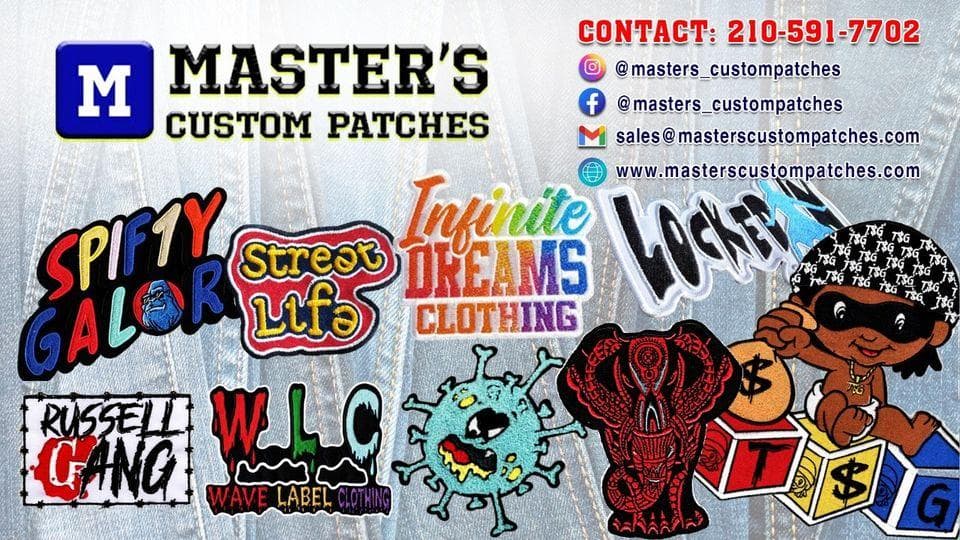
When it comes to customizing apparel, accessories, or merchandise, custom patches have become one of the most popular ways to add personality and brand identity. Among the many options available, two stand out as favorites: 3D embroidered patches and flat embroidery. Each style offers unique advantages and considerations, but knowing the differences can help you make the best choice for your project.
Understanding 3D Embroidered Patches
3D embroidered patches use a foam underlay beneath the stitching to create a raised, three-dimensional effect. This technique makes designs pop, adding texture and depth to logos, text, or images. Because of the elevated look, 3D embroidery works exceptionally well for bold logos or symbols that you want to stand out on hats, jackets, or backpacks.
One of the main benefits of 3D embroidery is its visual impact. A patch with raised stitching immediately draws attention and communicates a sense of quality and craftsmanship. Many sports teams, brands, and fashion enthusiasts choose best custom patches with 3D embroidery for this reason. However, it is important to note that not every design translates well into 3D. Intricate details or very fine text may become difficult to read when stitched in this format.
Exploring Flat Embroidery
On the other hand, flat embroidery is stitched directly onto the base fabric without any foam underlay. This creates a smooth, classic finish that works well for intricate designs, detailed logos, or text-heavy patches. Flat embroidery is often the preferred choice for masters custom patches intended for uniforms, formal apparel, or detailed branding where clarity is essential.
The smooth texture of flat embroidery allows for higher precision, making it easier to reproduce detailed designs accurately. Additionally, because flat embroidery sits flush with the fabric, it is ideal for items that will be worn under layers or on more delicate materials, as it reduces bulk and prevents discomfort.
Key Differences Between 3D and Flat Embroidery
Understanding the distinctions between these two styles is crucial when deciding which option is right for your needs.
• <strong>Visual Impact:</strong> 3D embroidery provides a bold, eye-catching look, while flat embroidery offers a refined, classic appearance.
• <strong>Design Detail:</strong> Flat embroidery excels at intricate designs, whereas 3D embroidery is better suited for bold shapes and logos.
• <strong>Material Considerations:</strong> 3D embroidery adds thickness, which may not suit all garments, while flat embroidery works well on most fabrics.
• <strong>Cost Factors:</strong> Depending on the complexity and materials, 3D embroidery can be slightly more expensive due to the foam underlay and labor.